
About LOOM
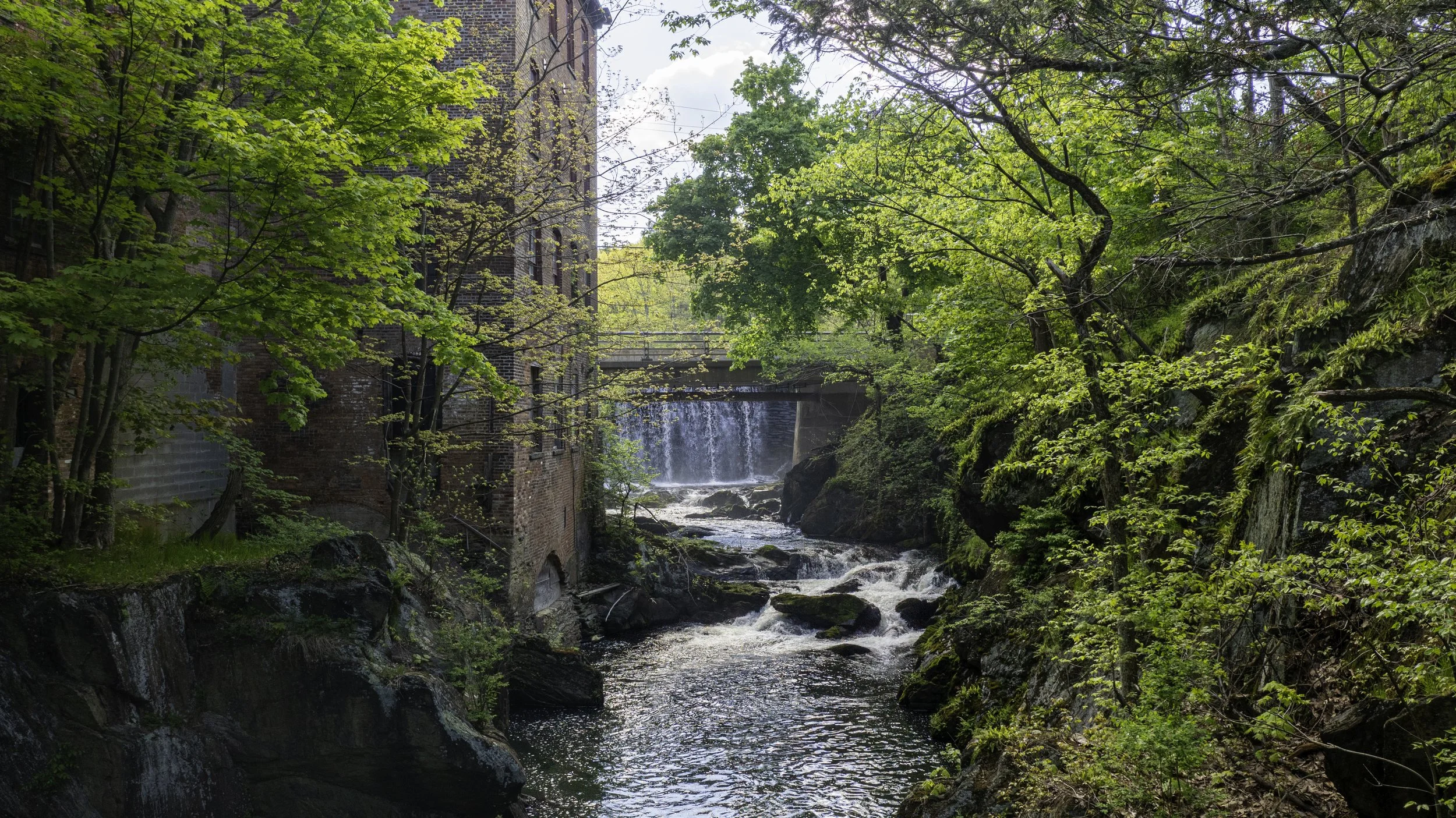
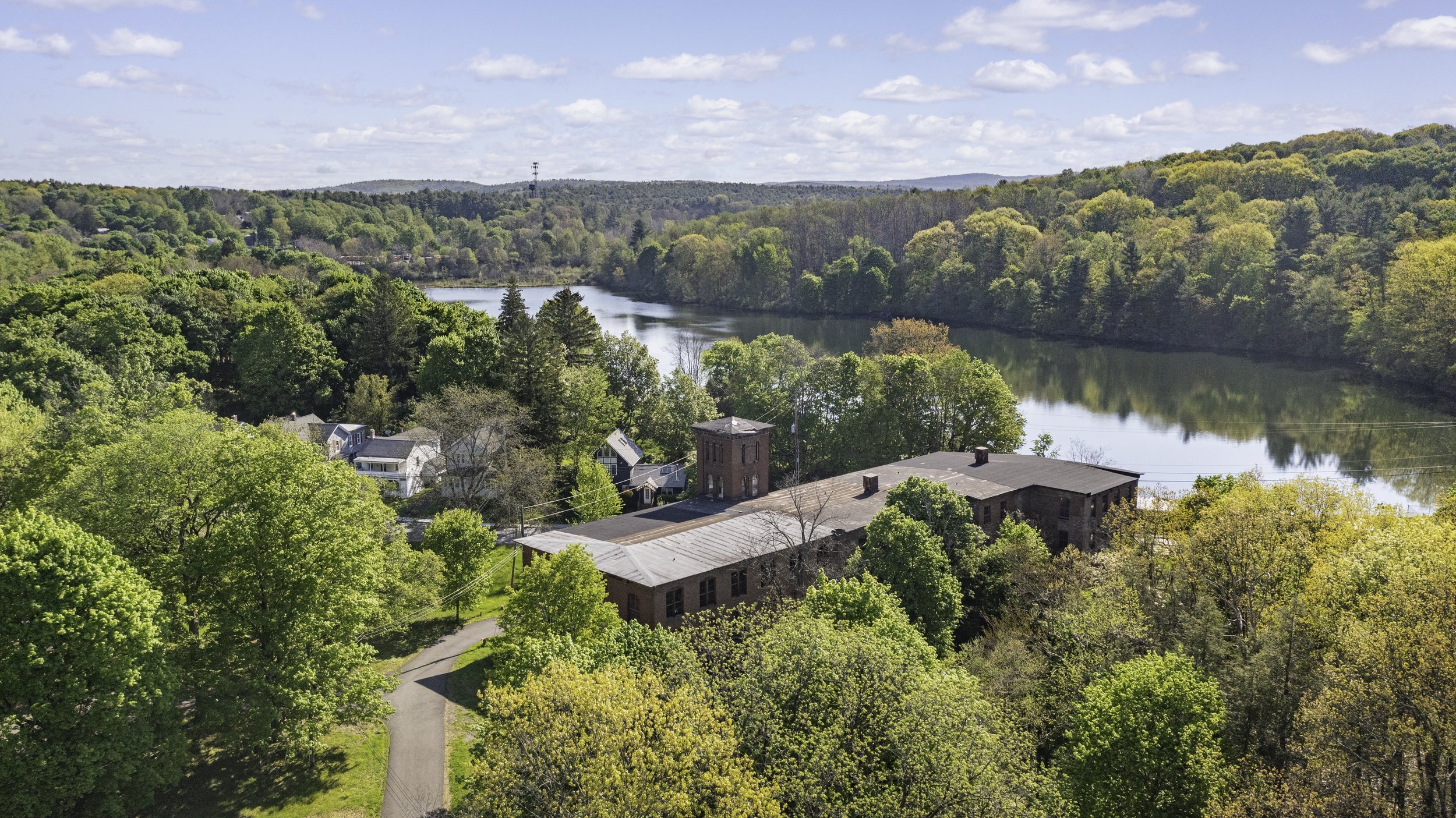
Built circa 1870 and perched above Agawamuck Creek in Philmont, NY, the Summit Knitting Mill once anchored the largest textile manufacturing center in Columbia County. The three-story, 36,000-square-foot brick and timber structure sits between two dams, with the 150-foot High Falls cascading through a forested ravine just downstream. After decades of dormancy, LOOM transforms this historic factory into a working art center where production, community, and care are inseparable — creating exhibitions, residencies, and gatherings that connect artists, neighbors, and audiences near and far.
LOOM treats the village not as a site for outreach, but as a collaborator in shaping what this institution becomes. We focus on credibility, coherence, and connection — establishing foundations for the long term. LOOM aims to create situations where art and everyday life overlap meaningfully, where a performance, planting, or shared meal can generate both beauty and belonging.
LOOM is part of a growing constellation of cultural institutions reshaping the Hudson Valley, including The Campus in Wassaic, Upstate Art Weekend, Basilica Hudson, Art Omi, and Sky High Farm's Biennial. The Summit Mill is slated to begin construction in fall of this year.
What LOOM Brings
“LOOM’s work in Philmont will be less about creating polished outcomes and more about forming relationships that feel reciprocal, transparent, and enduring. The act of ‘coming into being’ in a small town requires humility and listening. It means allowing the rhythm of community life to inform how art appears, and how LOOM defines itself in relation to the people and histories already here.”
Nato Thompson
Executive Director, LOOM
LOOM will introduce potential commissioned works across key areas—building activations, environmental installations, indigenous artists, and regional practitioners—that align with our mission of cultural and physical renewal. These projects will demonstrate how contemporary art can transform historic spaces, connect local and global conversations, and use creativity as a catalyst for community revitalization.